Your CEO Went Back to the Office. Your Life Didn't.
You went back. Not because the data supported it. What return-to-office mandates actually cost — and what happened to working from somewhere better.

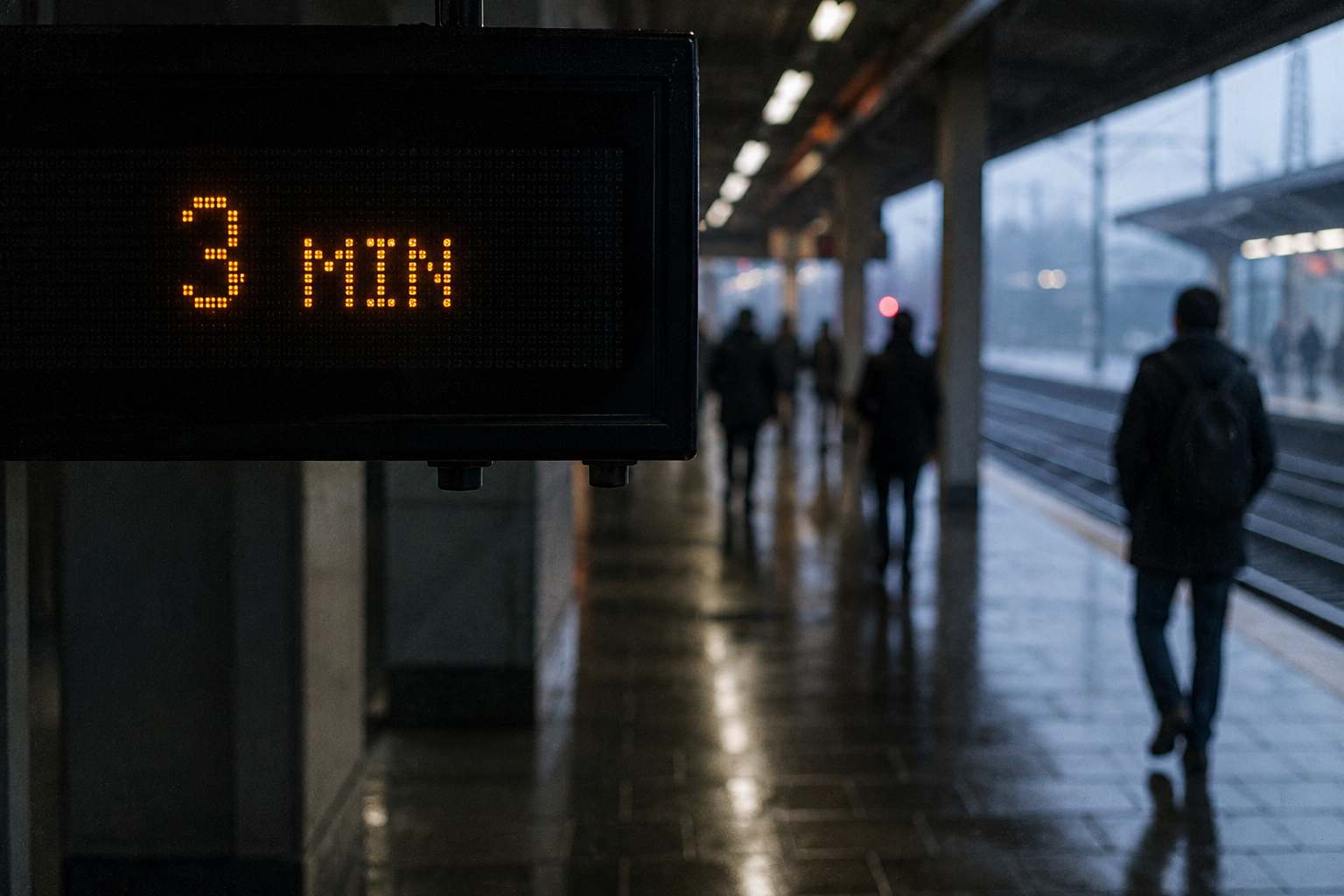
7:14am and the platform smells like everyone's already had a worse morning than you. The train's coming in three minutes. You know because you've memorised this. You know because this is where your week starts now.
You went back. Not because the data supported it. Not because your output improved. Not because anyone asked you whether it made sense for your particular job, which requires about six hours of concentrated reading, one video call, and a working internet connection. You went back because Amazon went back, and then someone at your company read a headline about Amazon going back, and here you are at 7:14 in the morning on a platform that smells like damp coats.
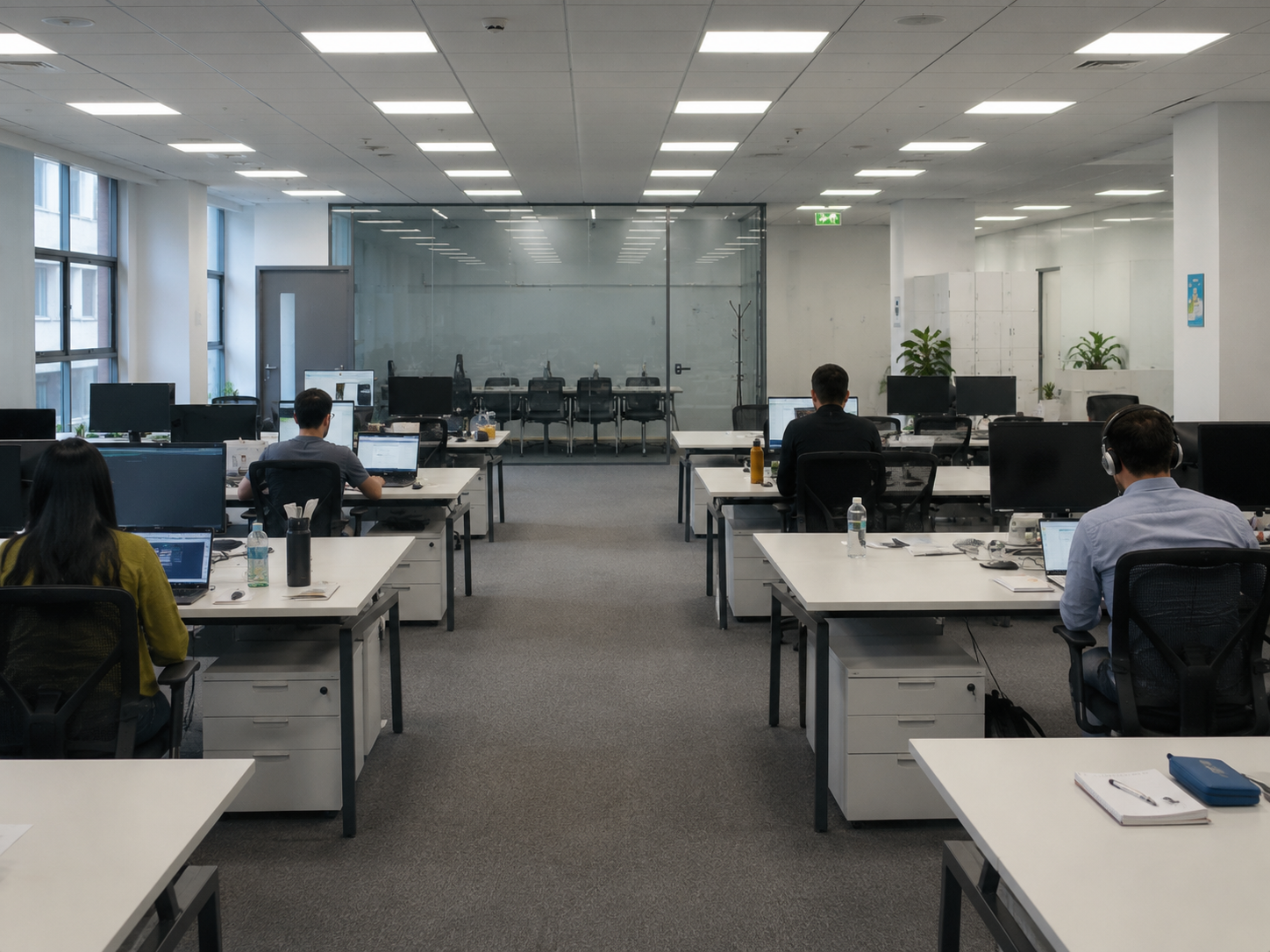
There is no evidence that five days in an open-plan office improves productivity. There are studies that say hybrid workers perform identically to in-office peers, quit at a third of the rate, and cost companies less. There is research from the University of Chicago showing that return-to-office mandates drive out senior employees — the expensive, experienced ones — while having no measurable impact on company performance. The argument for the mandate is not an argument. It's a preference, laundered through the language of culture and collaboration.
"The argument for the mandate is not an argument. It's a preference, laundered through the language of culture and collaboration."
"Collaboration" is the word that shows up in every internal memo. What it means, in the open-plan office, is that your concentration is now available to anyone who walks past your chair. The things that require focused thinking still happen alone. They just happen in a louder, more expensive building, and you had to commute to get there.
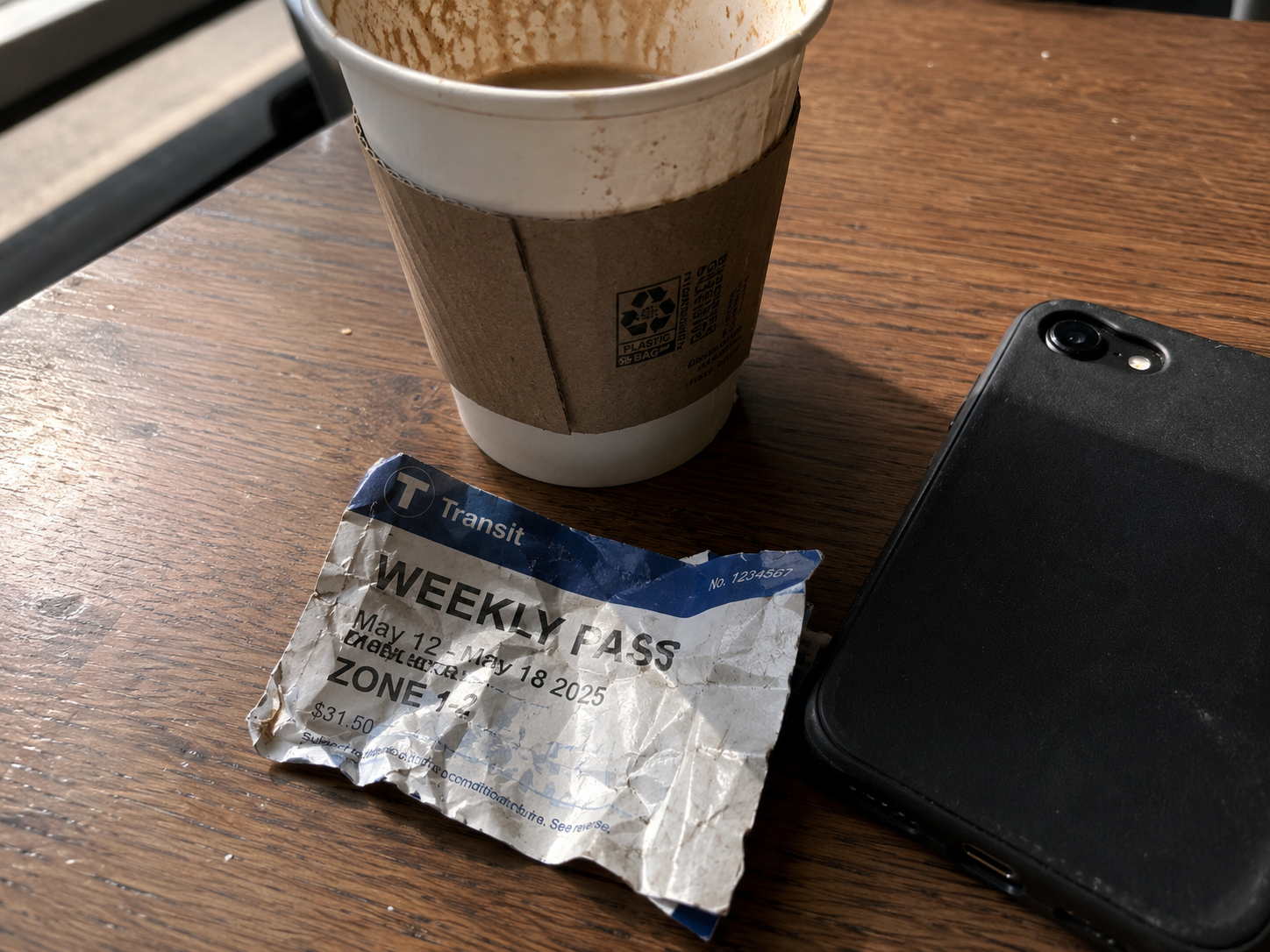
The commute is the part nobody prices properly. Not the money — though: between £2,000 and £4,000 a year, depending on your route, once you add fares and the coffees you buy because you left the house before the kettle boiled. The time. An hour each way, in London, in Amsterdam, in any city where the jobs and the rents exist in the same postcode. That's two hours. Every working day. That time doesn't come from nowhere. It comes from the before and after — the morning that was yours, the evening that had some give in it.
And then there's rent. The postcode premium returned with the mandate. If you need to be in the office Tuesday, Wednesday, Thursday, you need to be within commuting range — which means you need to live where the city is expensive. The people who'd moved a little further out during the remote years, found a bigger flat in a quieter area, made a different calculation about their housing — many of them had to move again. Or they didn't, and the commute got longer.
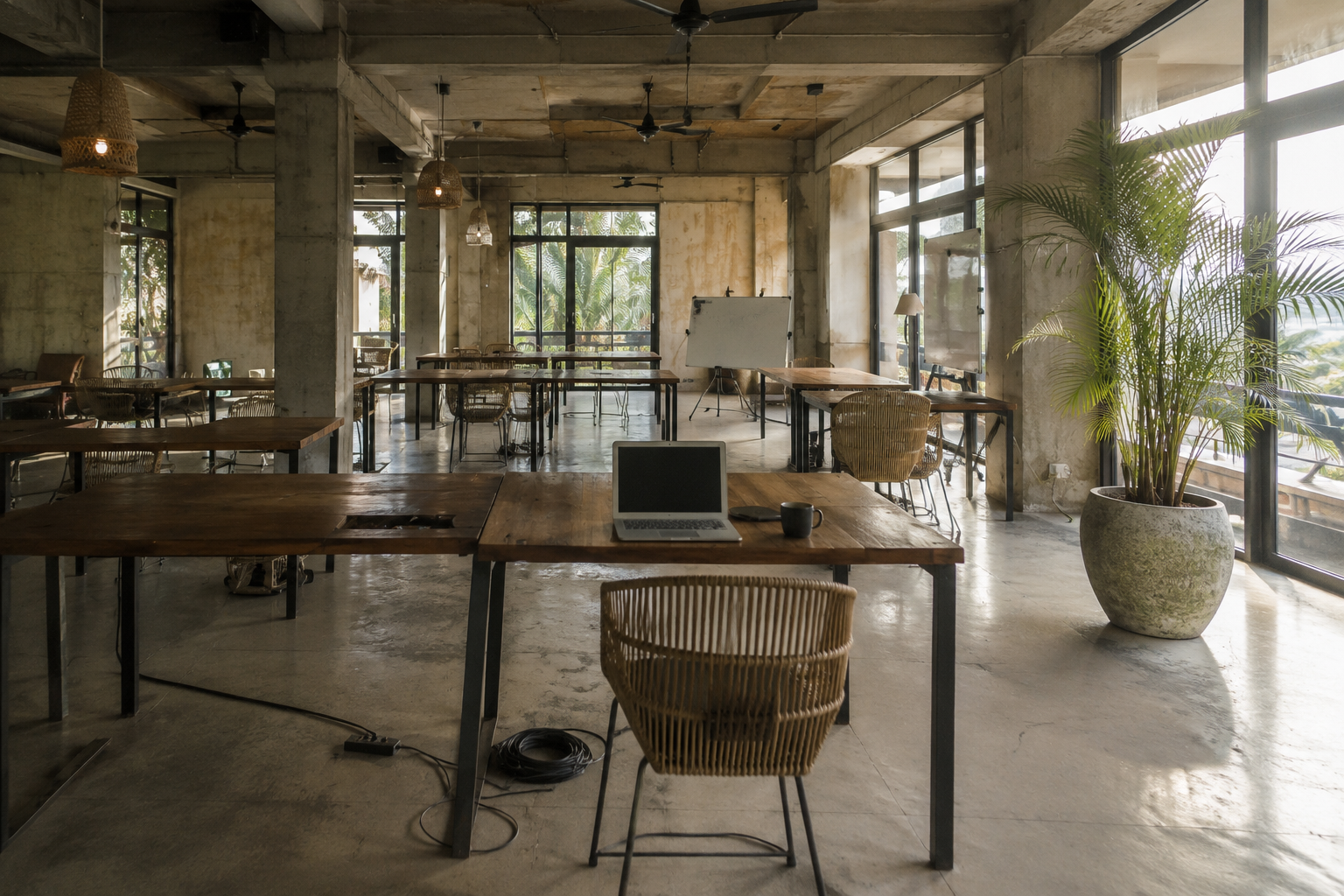
Tbilisi doubled its short-let market around the arrivals of 2021 and 2022, and some of those landlords are now watching the bookings. Chiang Mai has a co-working space on every other street, priced in the expectation that people with Western salaries would keep showing up. They might not. It's not that the logistics of working from somewhere interesting got harder — more than 60 countries now offer digital nomad visas. It's that most of the people who'd actually do it can no longer afford to say yes.
The employee-nomad population declined 5% in 2024 while independent workers doing the same thing grew by 20%. The lifestyle didn't die. It got reclassified. You can still work from Chiang Mai in 2026. You just can't do it on a payroll.
Here's what that split is actually saying: companies want your output. They also want conditions on it. The return-to-office mandate wasn't primarily about productivity — the research is clear on that. It was about asserting a particular model of employment. One where presence signals compliance and the building is a management tool. The people who refused that model didn't stop working well. They stopped being employees.
The CEO of the world's largest recruiter said, last December, that you have to be "very special" to get a fully remote job now. He meant it as a market observation. It reads as something else: that the ability to organise your working life around how you actually work best is now something you get to keep only if you're too useful to lose.
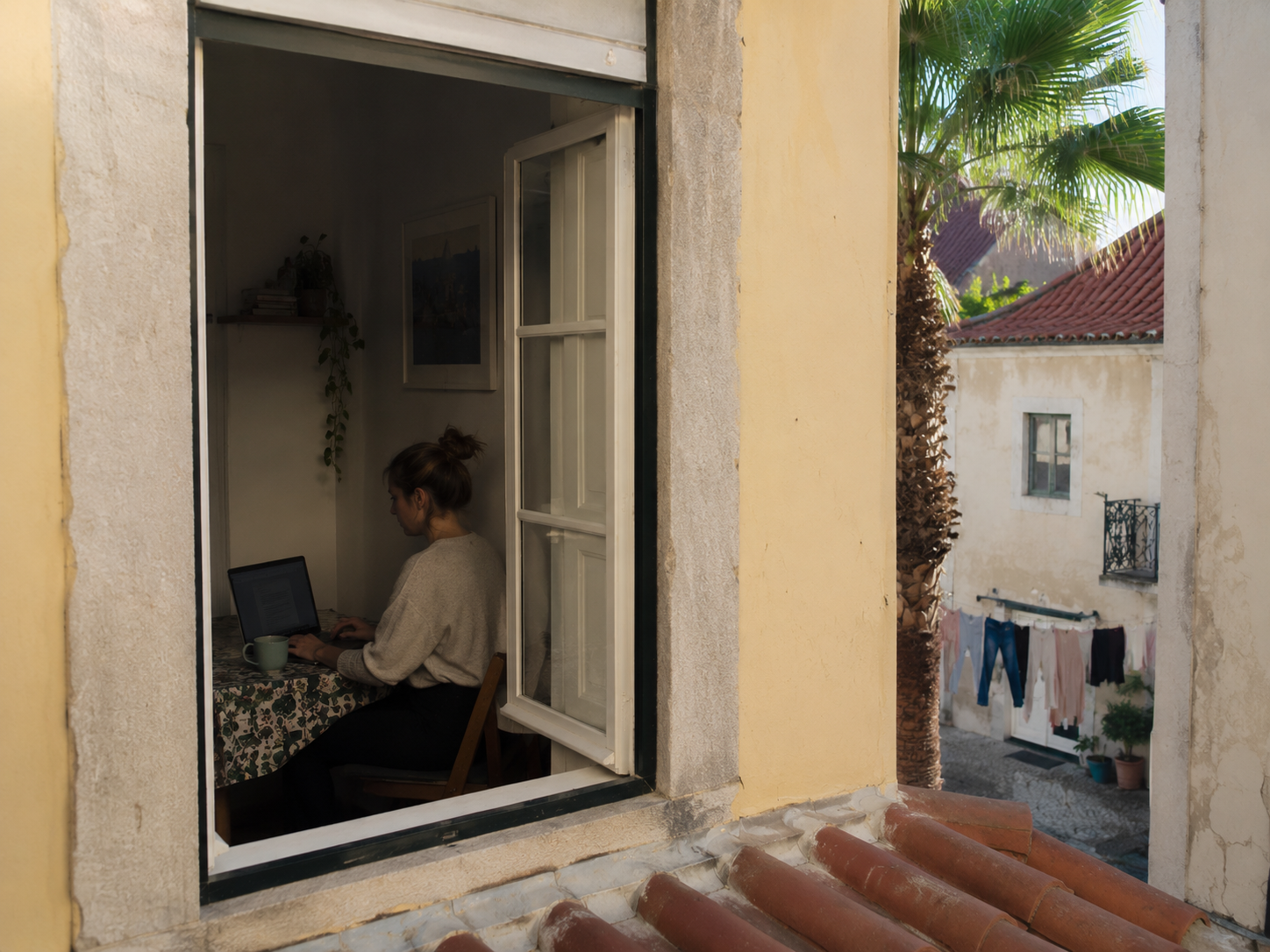
Everyone else commutes.
7:14. Three minutes. At least it's on time.