You Change Trains in Genoa. Get Off.
You've been to Genoa. You just never left the station. The honest case for spending the day instead of the transfer.
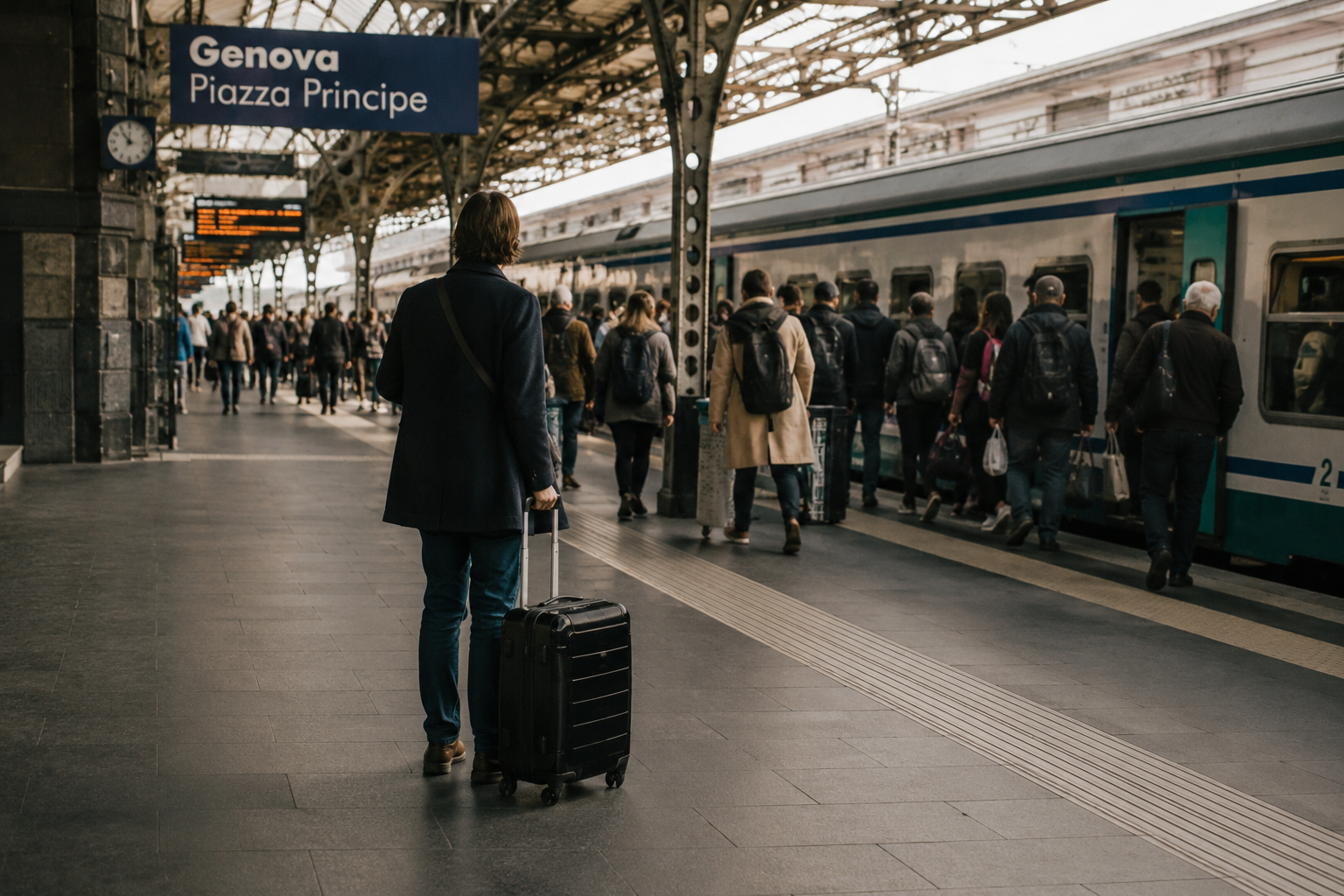
You've been to Genoa. You just never left the station.
Everyone routing to the Ligurian coast passes through here — Genova Piazza Principe is where you switch trains for the Cinque Terre, where you stand on the platform with your case and watch the board. Roughly two to three million people a year come to Genoa, and most of them are on their way somewhere else. It's the most passed-through, least walked-around city in the region. That's the opportunity. Here's the honest case for spending the day instead of the transfer.
Liguria's best food isn't on the coast
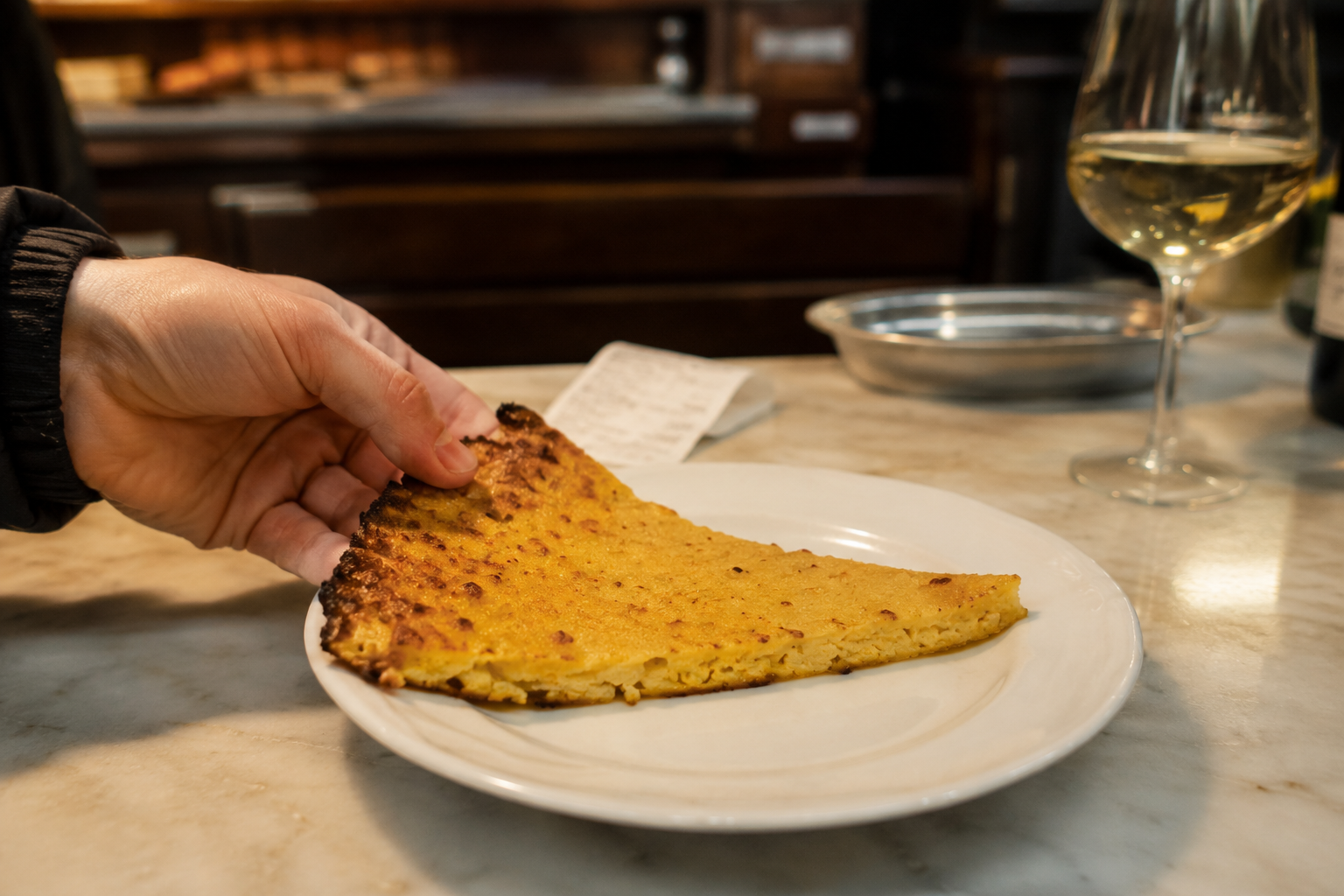
It's here, in a square kilometre of historic centre packed with two-hundred-year-old trattorie. This is where pesto comes from — trofie al pesto, the little twists with potato and green bean tossed through it. It's the home of farinata, chickpea flour and oil baked in a wood oven till the edge chars, cut at a marble counter and eaten with your hands. Focaccia di Recco, two thin sheets of dough with stracchino melting between them. At a place like Sà Pesta — a family-run room in the old-town alleys, generations deep (check it's open before you go; these places keep their own hours) — you eat all of it for a fraction of what a plate costs in Portofino, and you don't need a reservation. The coast sells you a view with the food as an afterthought. Genoa sells you the food.
The palaces are open and nobody's in them
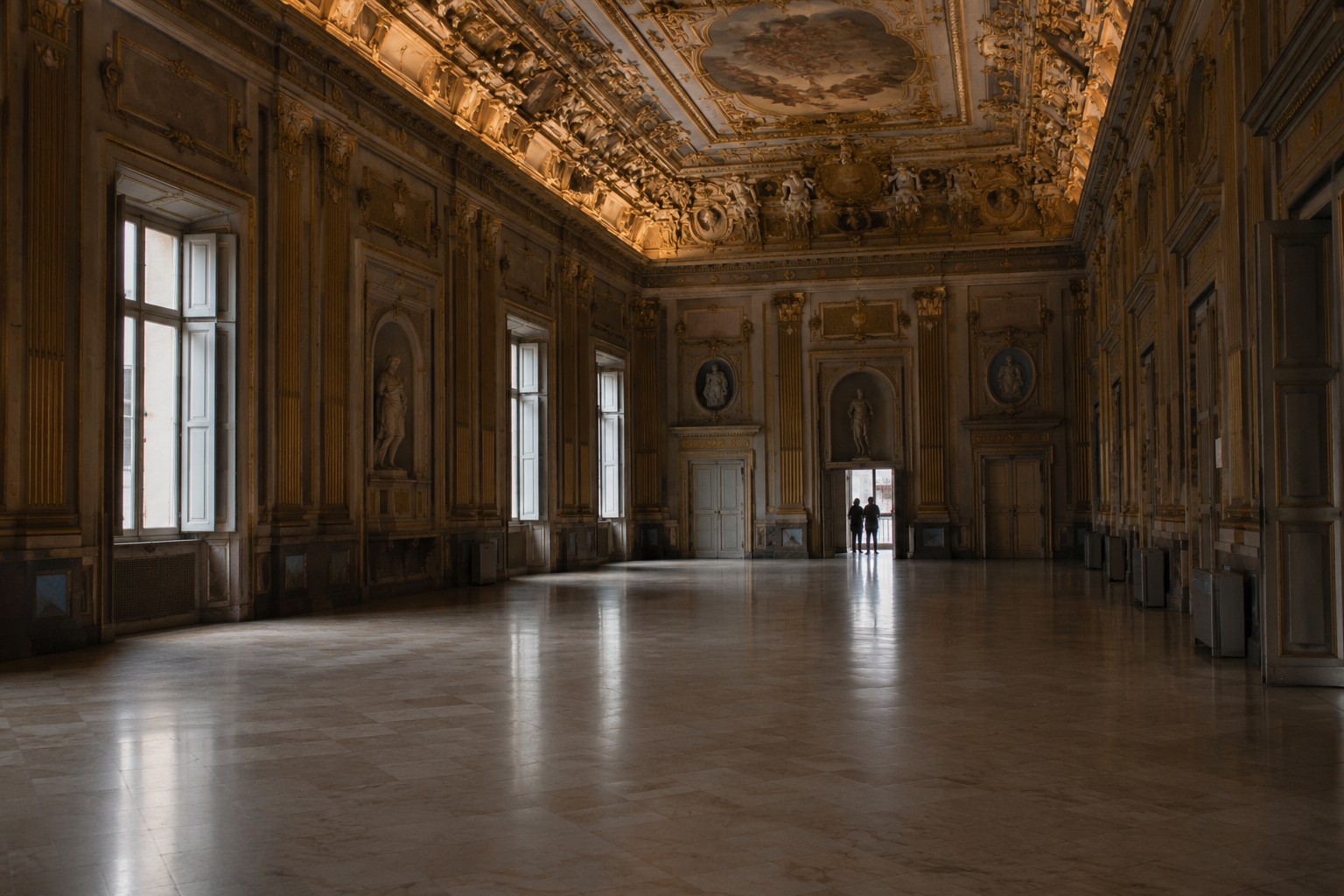
Via Garibaldi runs a line of aristocratic Renaissance palazzi — the Palazzi dei Rolli, UNESCO-listed since 2006, several of them open to walk through. You can stand in a frescoed sixteenth-century hall with maybe four other people in it. Forty minutes away, someone is queuing two hours to photograph a trail. That's the swap Genoa offers: depth without the line.
Because the line is real. Riomaggiore and the rest of the Cinque Terre are beautiful and routinely swamped — small villages taking crowds they were never built for. Genoa can't be overwhelmed the same way, because it's a full-size working city that isn't performing for you. You get actual street life: laundry, arguments, a man selling basil, kids playing football against a church.
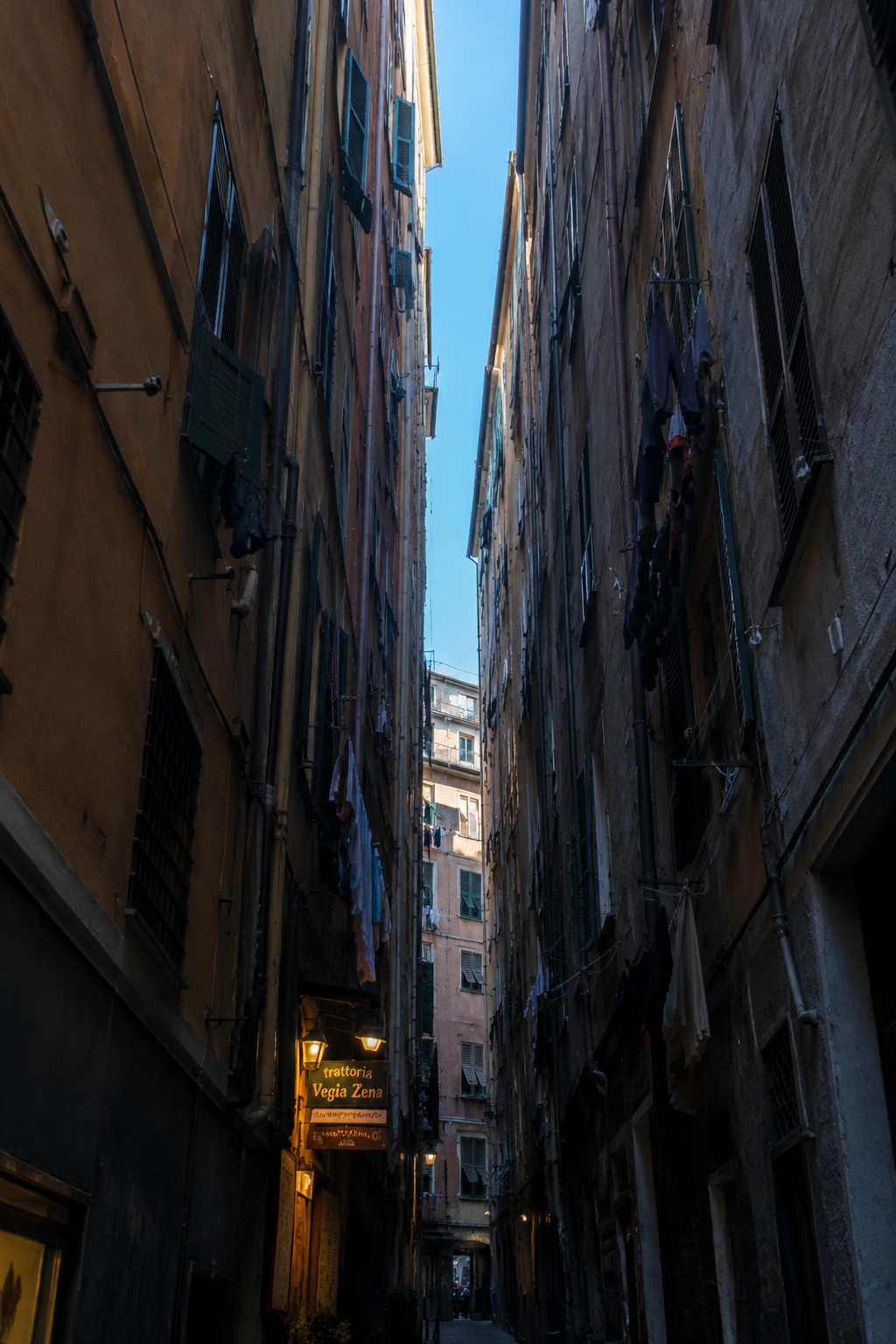
Now the part the brochures skip. Genoa is not pretty, and I'm not going to pretend it is. It's steep, dense, and frayed at the edges; the port is cranes and containers, not a marina. And some of the caruggi need street sense after dark — Via del Campo, Via della Maddalena, Via Prè are ones locals tell you not to wander alone late. There's a real irony there: those are the streets Fabrizio De André, Genoa's own songwriter, made famous singing about the people who lived hardest in them. The city has always known exactly what it is. It doesn't dress up.
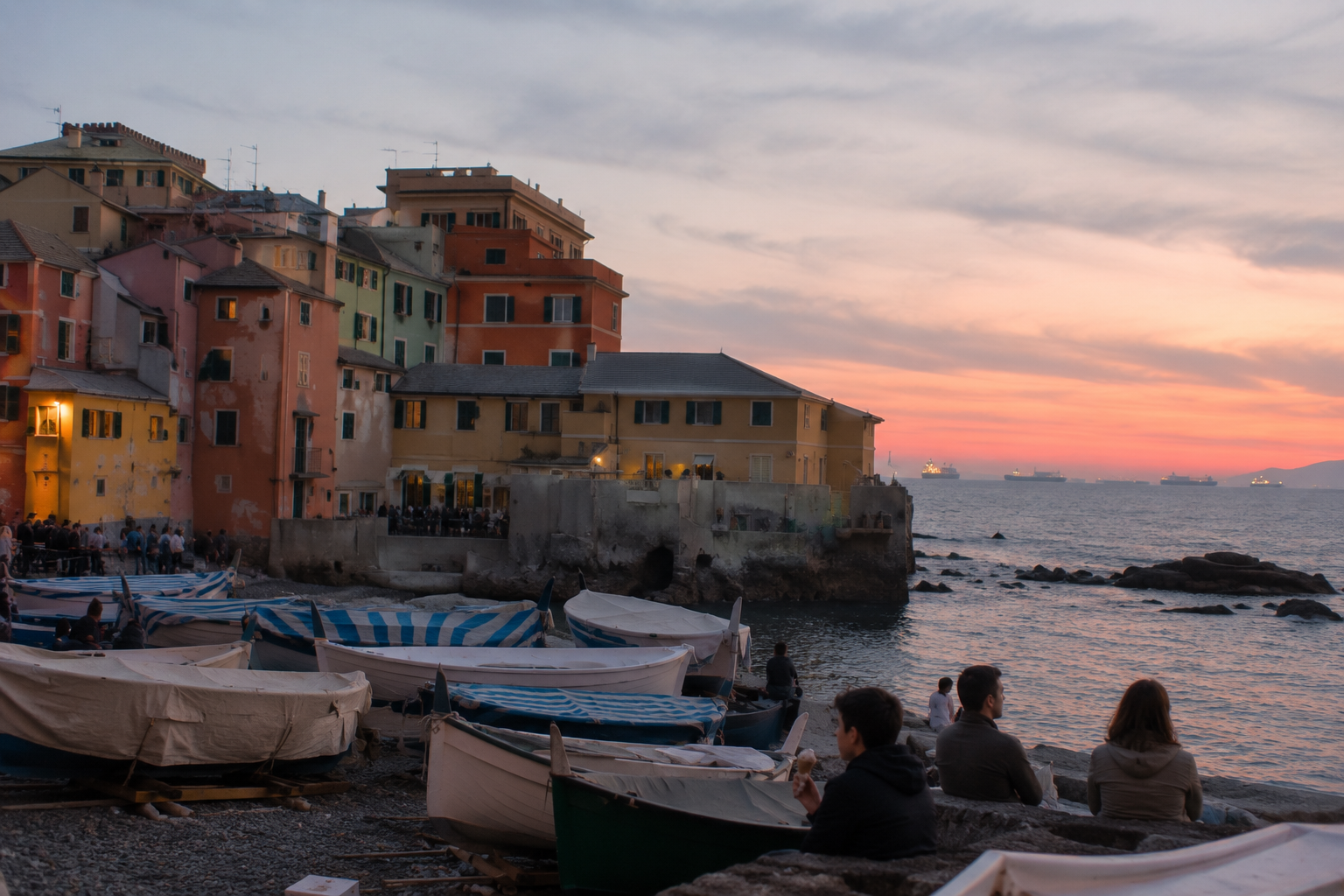
Some of the old-town alleys (caruggi) need street sense after dark. Via del Campo, Via della Maddalena, and Via Prè are best avoided alone at night — stick to them by day when they're busy and rewarding.
"The coast gives you a picture and Genoa gives you a city — the food, the palaces, the noise, the honesty."
So this isn't "Genoa is secretly gorgeous." It isn't. It's that the coast gives you a picture and Genoa gives you a city — the food, the palaces, the noise, the honesty. If you want tidy and postcard, stay on the train; the Cinque Terre is genuinely worth the crowd it draws. If you'd rather eat the best meal in Liguria in a room full of people who actually live there, get off at Principe. You were stopping here anyway.