Valencia Is the Trip You Actually Wanted
You don't decide to love Valencia. Somewhere between the cathedral and the market, you notice the city has already built a morning around you.
You don't decide to love Valencia. You arrive, you have a day to fill, and then somewhere between the cathedral and the market you notice that the city has already built a morning around you without asking for your permission.
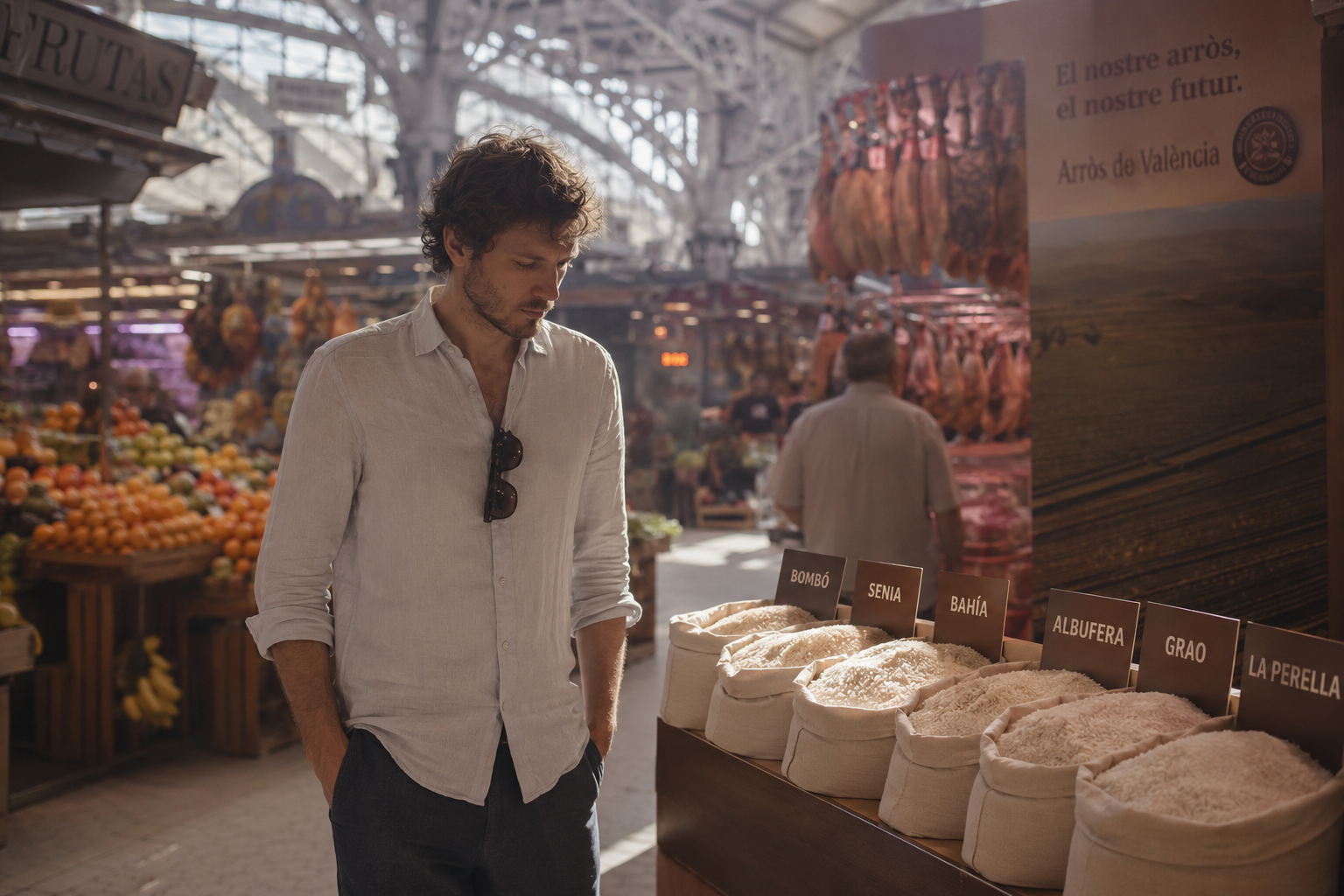
That is the particular gift of it. Spain's third city doesn't put itself forward. It doesn't need you to understand it on arrival. You can spend two hours walking without anything demanding your attention, and then something will stop you — a stall in the Mercado Central piled with six varieties of bomba rice, or the smell of a fritanga from a doorway at eleven in the morning — and you'll realise you've started paying attention in the way you only do when you've stopped performing tourism.
The Mercado Central sits in the middle of the old city under a tiled modernist dome that somehow doesn't embarrass anyone. Inside it is all Mediterranean light and the low roar of a market that is for eating, not photographing. What you linger over tells you something. If you stop at the rice stall and ask which variety is for proper Valencian paella and the man hands you a bag of bomba without asking why you want to know, you are probably having the right trip. If you walk straight to the jamón counter and spend forty minutes there, that is also correct. The market does not judge — it just reveals.
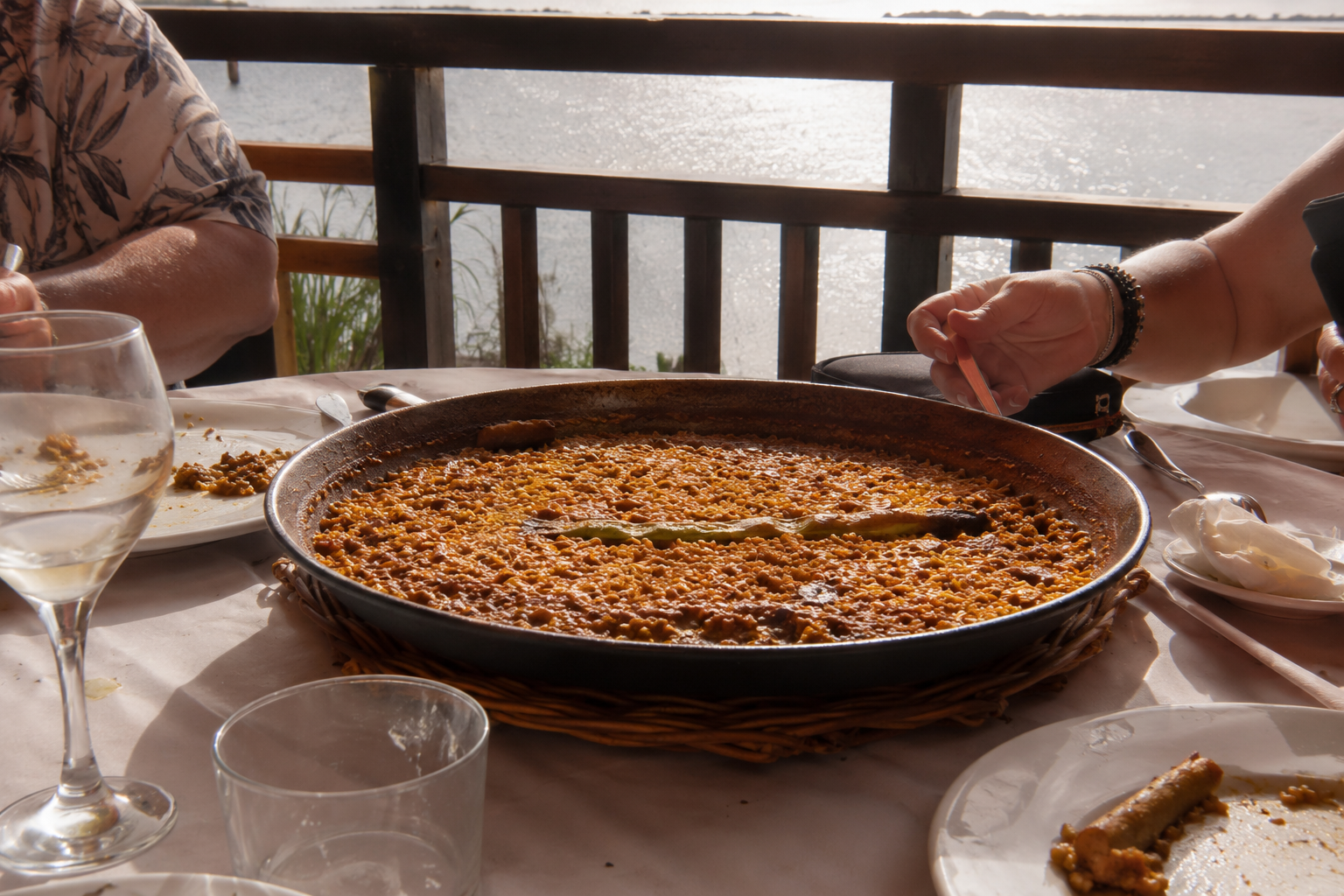
About paella: the tourist version and the Valencian version are not the same dish. Valencian paella contains chicken, rabbit, and green beans. The rice is bomba, grown in the Albufera, the salt lagoon south of the city. Seafood paella exists and is fine, but it is a different recipe from a different tradition. If you want to eat the one that is native to this particular place, you need to go further than the restaurants around the Plaza de la Reina.
Casa Salvador sits near a lagoon outside the city, in Cullera, has been cooking paella for over seventy years, and runs a long menu of rice varieties that spills onto a second page. You will need a car or a taxi and a reservation — both are worth it.
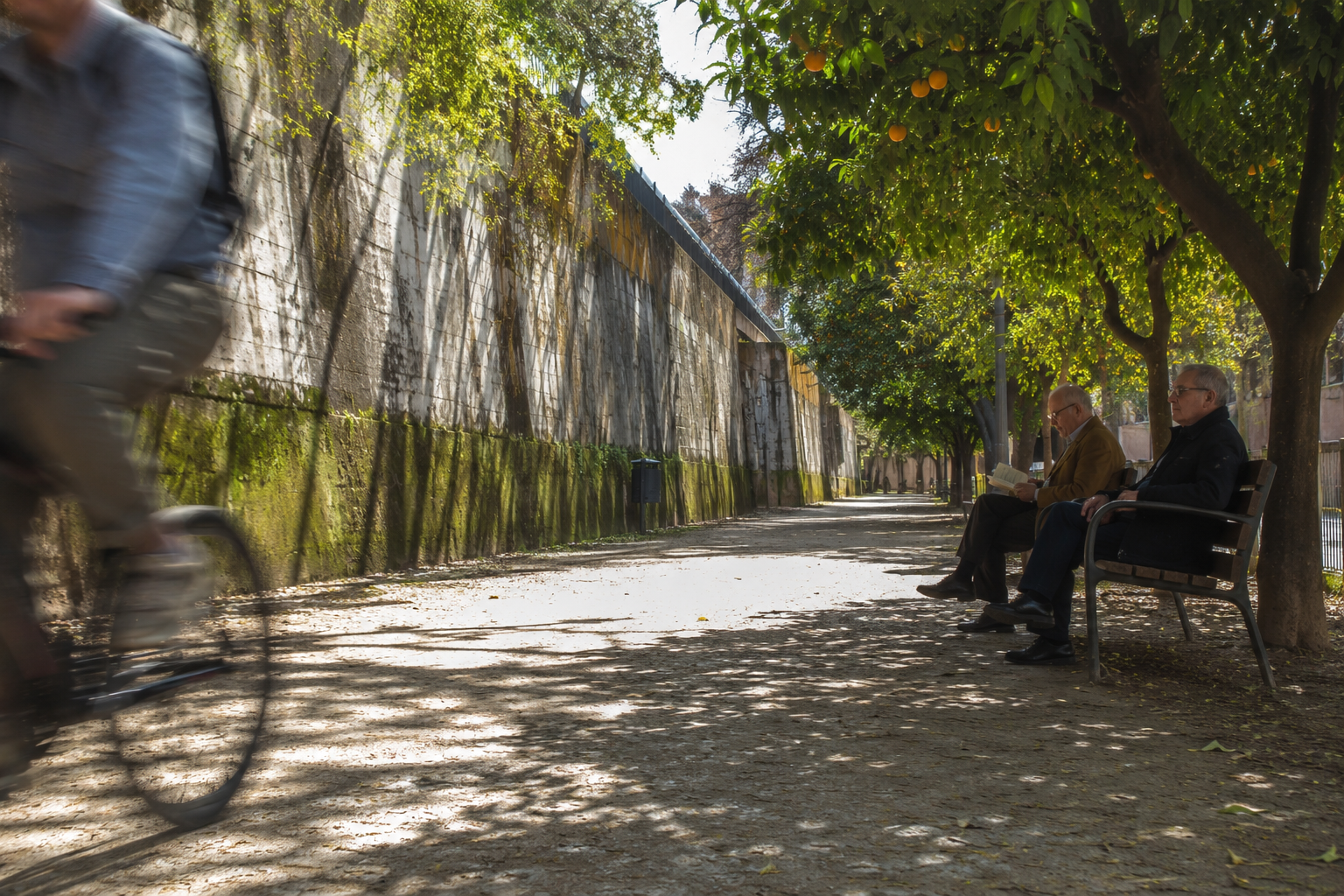
The artery of the city, though, is the Turia park. Nine kilometres of what used to be a riverbed, now a long park that runs through the city like the memory of water. The river was diverted in 1958 after the flood of 1957 killed at least 81 people; the plan was to build a motorway through the emptied channel. Valencians decided otherwise.
"El llit del Túria és nostre i el volem verd — the Turia riverbed is ours, and we want it green."
In 2024, another catastrophic flood — the DANA storm — killed 237 people in the villages south of the city, one of the deadliest natural disasters in Spain's recent history. The city centre itself recovered quickly, but the surrounding towns still carry it. The Turia park runs green and quiet. The connection between these two floods and the choices a city makes about its land is not something the guidebooks tend to dwell on.
What the park is, practically: cyclists, runners, school groups eating lunch in orange groves, old men with dogs. A rope course near the Palau de la Música. The Gulliver playground, which is an enormous tile-and-steel figure of a sleeping giant that children climb on, which sounds odd and is actually wonderful. You can walk its full length in a morning and feel like you've understood something about how a city chooses to use its leftover space.
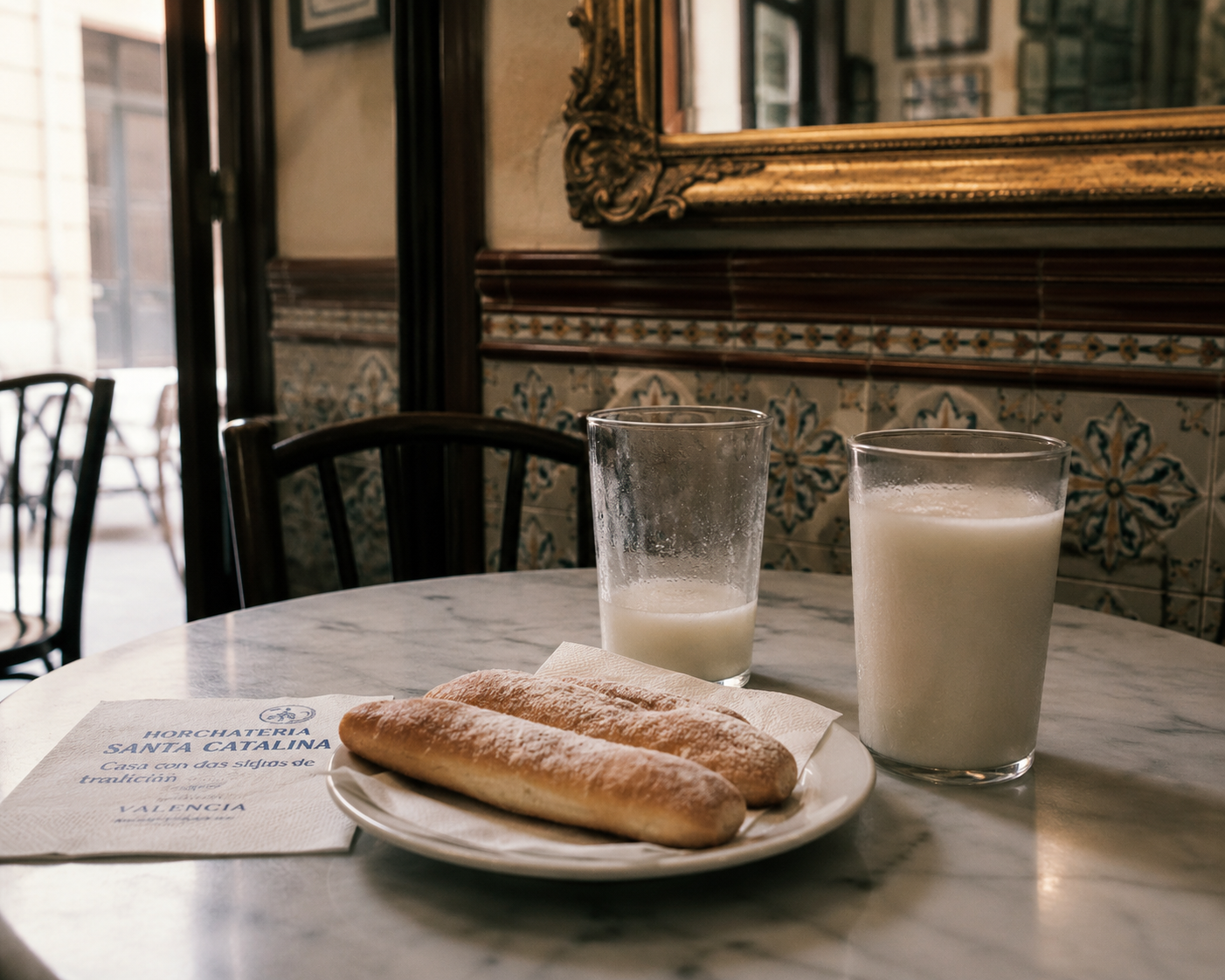
Somewhere in your second afternoon, find a horchatería and order a horchata. The one at Santa Catalina, which has been on the same corner of the Barrio del Carmen since 1830, will do excellently. Horchata is made from tiger nuts, is served cold, and tastes unlike anything a European traveller expects. It is not sweet in the way of lemonade. It is not milky in the way of a latte. It is specific and Valencian and slightly strange, and you will either finish the glass and want another one, or you will finish it politely and spend the rest of the day thinking about it. Either reaction is correct. The fartons — the long, soft pastries served alongside it — are good without exception.
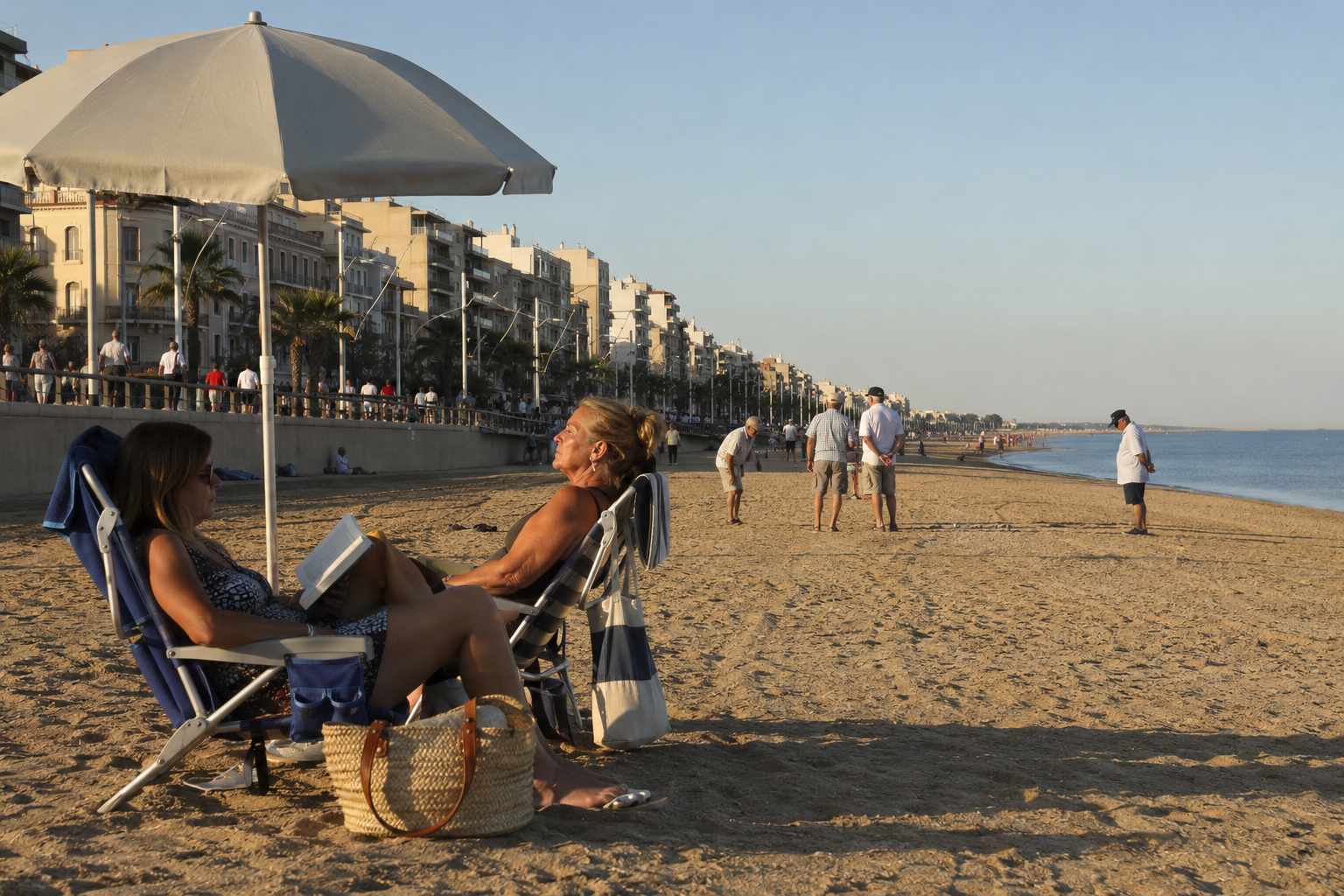
The trip ends, probably, at Malvarrosa. The beach at the end of the city — a tram ride from the old town, line 4 or 6 from the centre — is wide and urban and full of people who live here. Not the brochure beach — not the one that looks like somewhere else. On a Tuesday afternoon in May, there will be women under sun umbrellas reading, men playing petanque by the paseo, teenagers doing nothing in particular in the sand. A city beach that is still for the city. You can swim in the Mediterranean, eat at a beach bar, and be left entirely to yourself.
Valencia does not curate your experience of it. It puts everything out and waits. What you find is yours, which, in 2026, might be exactly the point.