Travelling to Paris: What to Know Before You Go
Paris rewards those who plan. Here's how to skip the tourist traps, eat well, and actually enjoy the city.

Paris doesn't need an introduction. But it does need a plan. The city is dense, layered, and endlessly walkable — which means it rewards people who know roughly where they're going and punishes those who don't. Here's how to make the most of it.
Pick your arrondissements
Paris is divided into 20 arrondissements — numbered districts that spiral outward from the centre. Where you stay shapes your entire experience. The Marais (3rd and 4th) is compact, walkable, and full of good food and galleries. Montmartre (18th) is hilly, photogenic, and slightly removed from the tourist crush. Saint-Germain (6th) is the classic literary Paris of cafés and bookshops.
Don't try to cover the whole city in one trip. Pick two or three arrondissements and go deep. You'll see more than someone who tries to tick off every landmark in three days.
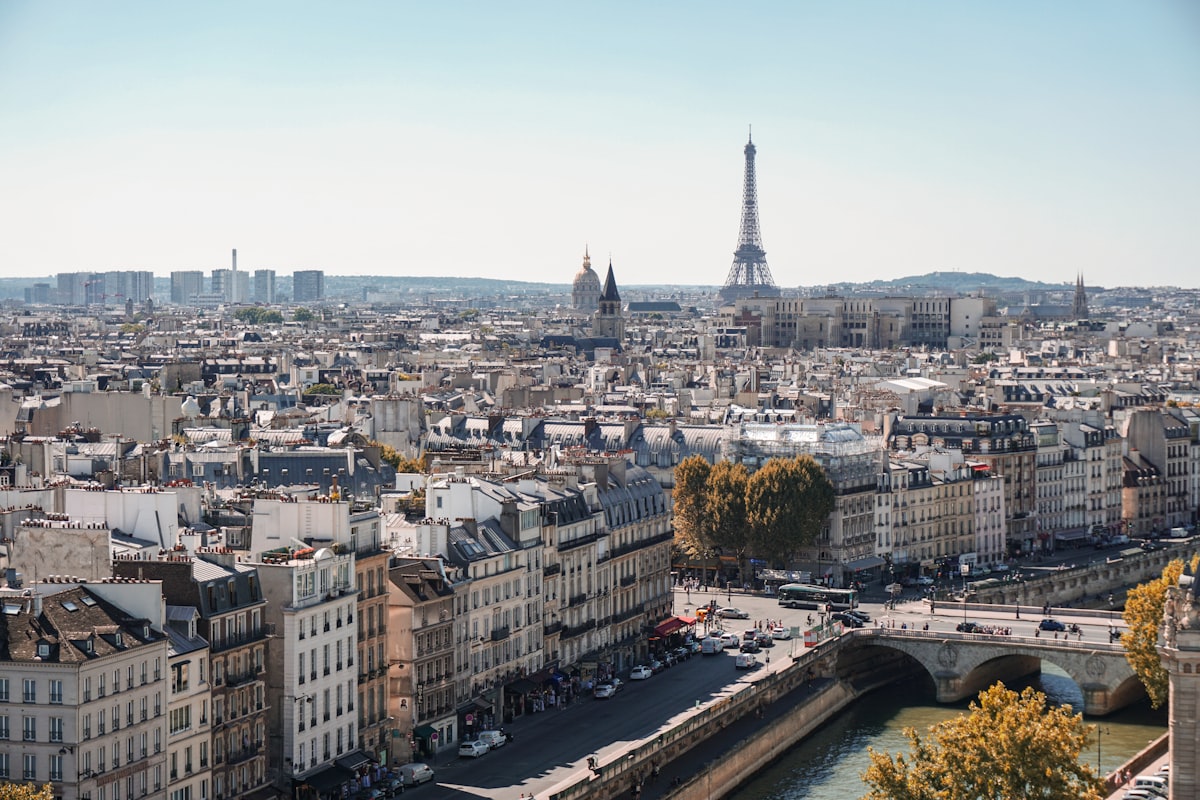
The Eiffel Tower: do it once, early
Yes, you should go. No, you don't need to go twice. Book tickets online before you arrive — the queues for walk-ins are long and the online slots do sell out. Go in the morning when the light is best and the crowds are thinnest. Then spend the rest of your trip finding the parts of Paris that aren't on every itinerary.
"Paris is best when you're slightly lost in it."
Eat like a local, not like a tourist
The restaurants immediately next to any major landmark are almost always overpriced and mediocre. Walk two streets back. Look for places where the menu is only in French, where there's a handwritten plat du jour, and where locals are eating lunch at 1pm. That's where the real Paris food is.
Paris boulangeries are at their best between 7–9am. A fresh croissant and a café crème at a zinc bar counter is one of the great simple pleasures of travel — and it costs about €3.
Museums: book everything in advance
The Louvre, Musée d'Orsay, and the Centre Pompidou all require timed entry tickets booked online. Show up without a booking and you may not get in — especially in summer. Decide which ones matter to you before you leave, add them to your trip plan, and book as soon as your dates are confirmed.
A lesser-known tip: the Musée de l'Orangerie in the Tuileries Garden has Monet's Water Lilies murals in a purpose-built oval room. It's smaller, quieter, and genuinely one of the most beautiful rooms in the world. Book it.
Getting around
The Paris Métro is fast, cheap, and covers almost everywhere you'll want to go. Buy a carnet (book of 10 tickets) or a weekly Navigo pass if you're staying for more than a few days. Avoid taxis during rush hour — the city gridlocks predictably and you'll spend more time frustrated than moving.
Better yet: walk. Paris is a city that rewards pedestrians. The distances between neighbourhoods feel long on a map but are surprisingly manageable on foot — and you'll stumble across things no itinerary would have put there.
Plan together, explore together
Paris is one of those cities where group trips can either be magical or chaotic depending on how well the planning goes. A shared trip with all your locations, the museum bookings, and the restaurant ideas in one place means everyone arrives knowing the plan — and nobody spends the first morning arguing about what to do. Add your stops, share the trip, and let Paris do the rest.