Adventure Travel: Hiking, Trekking, and Exploring Natural Wonders
Volcanoes, waterfalls, remote ridgelines — adventure travel is more accessible than it looks. Here's how to plan a trip built around a natural wonder.
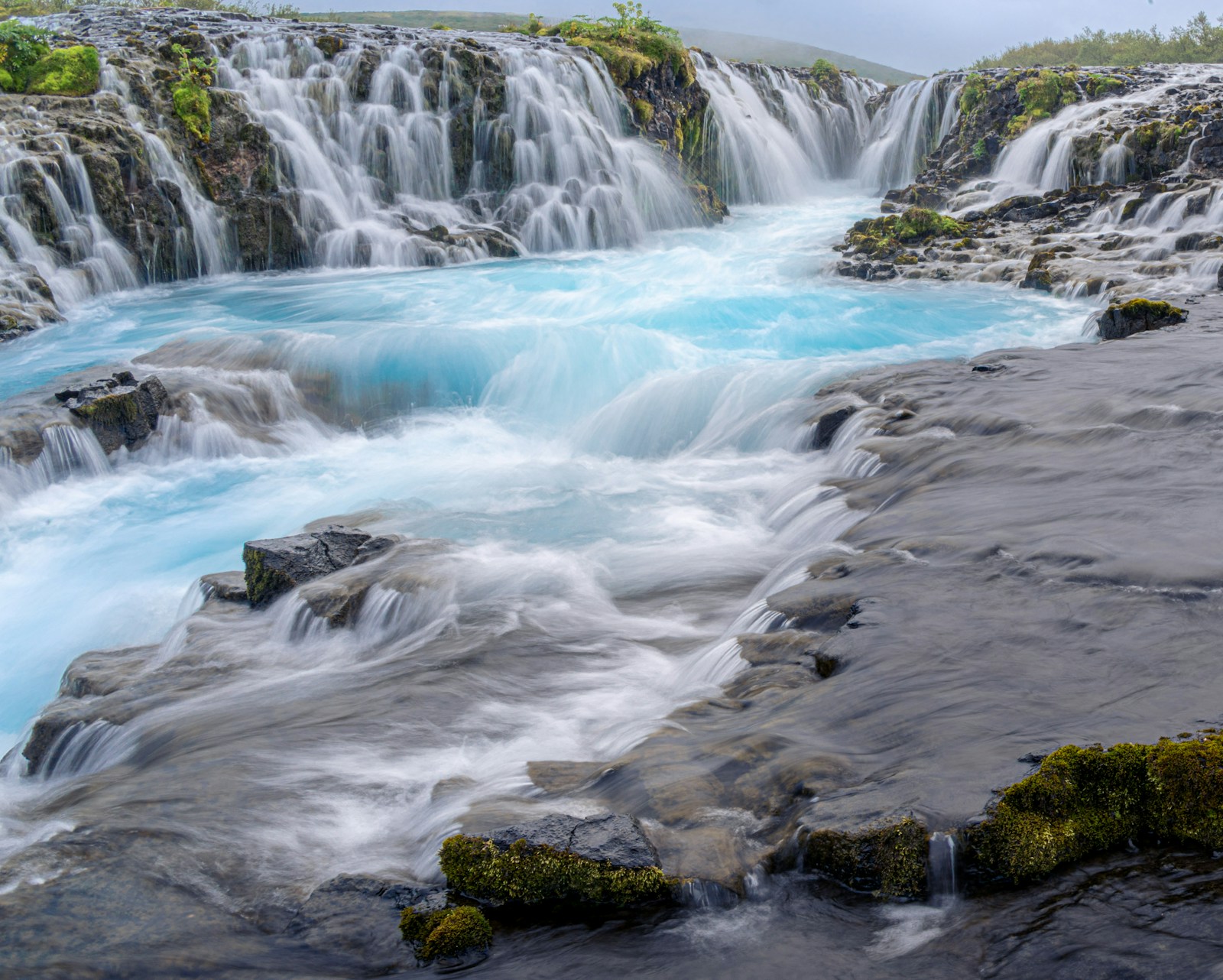
There's a particular kind of travel that leaves you genuinely changed. Not changed in the way a city break refreshes you, but changed in the way only raw nature can manage — standing at the lip of a volcano, feeling the spray of a waterfall from fifty metres away, or reaching a ridge after four hours of climbing to find the world laid out below you. That's adventure travel. And it's easier to do well than most people think.
Pick the natural wonder first, then build around it
Most adventure trips go wrong when people pick a country first and look for hikes second. Flip it. Start with the specific experience you want — summit a volcano, reach a particular waterfall, trek to a remote mountain lake — and plan everything else around that anchor. You'll end up somewhere far more memorable than "we hiked around Costa Rica."
Natural wonders that draw the most adventurous travellers share a few traits: they require physical effort to reach, they can't be reproduced at home, and they're genuinely indifferent to whether you show up. That indifference is part of the appeal.
"The best hikes are the ones where the destination justifies every hard step getting there."
Volcanoes: closer than you think
Active and dormant volcanoes make for some of the most striking hikes on earth. The landscape is alien — black lava fields, sulphur vents, and cinder slopes that shift under your boots. Iceland's Fagradalsfjall, Guatemala's Acatenango (from which you can watch its neighbour Fuego erupt overnight), and Indonesia's Bromo-Tengger massif are all accessible to fit hikers without technical climbing experience.
Always check current volcanic activity levels before booking. Conditions change fast — what's open one month may be closed the next. Guides who know the mountain are worth every cent.
Waterfalls: the hike is the point
The most rewarding waterfall experiences aren't the ones reached by paved path. They're the ones at the end of a river valley trail, accessed by a scramble over wet rocks, or hidden in a canyon that requires wading through knee-deep water to reach. Havasu Falls in Arizona, Plitvice in Croatia, and Angel Falls in Venezuela all reward the extra effort with something a day-tripper on a tour bus will never get: quiet, and the sense that you earned it.
Plan waterfall hikes with wet conditions in mind. Rubber-soled approach shoes, a dry bag for your phone and documents, and a start time early enough to avoid afternoon rain in tropical destinations — these small choices separate a great day from a miserable one.
Multi-day trekking: pacing over heroics
The classic mistake on multi-day treks is covering too much distance on day one. You arrive at camp with nothing left, sleep badly at altitude, and spend day two grinding through miles that should feel joyful. The better approach: plan conservative distances, build in a rest day mid-trek, and treat the afternoons as time to actually look around.
Multi-day treks also demand honest pre-planning. Which nights need hut or teahouse bookings? Which sections require a guide by law? What's the bail-out route if weather closes in? Having answers to these questions before you start means you spend the trail thinking about the trail — not scrambling for a plan B.
Map out each day's accommodation and distances before you go. Knowing "day three is the hard day" in advance lets you mentally prepare — and keeps the group aligned when legs start to tire.
The planning makes the adventure possible
Adventure travel has a reputation for being spontaneous. In reality, the trips that feel the most free are the ones that were planned the most thoroughly. When permits are booked, logistics are sorted, and everyone knows what the next day holds, you can actually be present in the moment — rather than anxious about what comes next.
Build the itinerary, share it with your group, and then let the mountain, the waterfall, or the volcano do the rest. That's adventure travel done right.